The Moon is always half lit
Years 1–8Stage 1 to Stage 4Run it
The Sun lights half the Moon. As it circles Earth, we see more or less of that half.
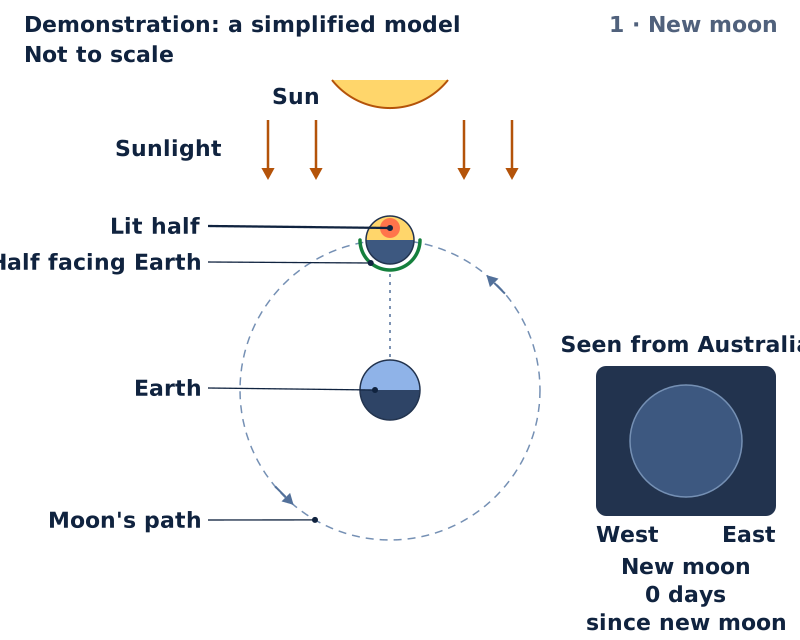
Demonstration: a simplified modelNot to scale1 · New moon
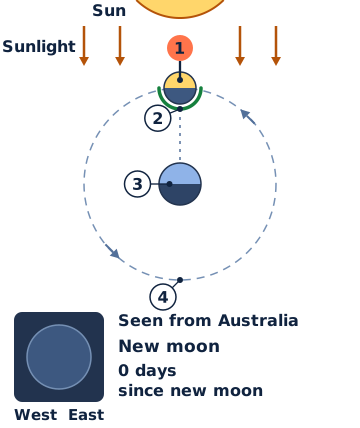
New moon: the lit half faces away. We see no light.
- Lit half
- Half facing Earth
- Earth
- Moon's path
Key Arrows: sunlight, coming from the Sun far off at the top. Yellow: the half of the Moon the Sun lights. Dark grey: the part of the Moon the Sun does not light. Green curve: the half of the Moon facing Earth, the half we can see. Dashed line: looking from Earth. Dashed circle with arrowheads: the Moon's path, the way it goes, seen from far above Earth's North Pole. Grey band: Earth's shadow, pointing away from the Sun. Most months the full Moon passes just above or below it. Dark square: the Moon as it looks from the ground, with west and east marked below it.
The model could not start here. The figure, the steps and the table on this page still show the idea; reload the page to try again.
The idea, step by step
Not to scale
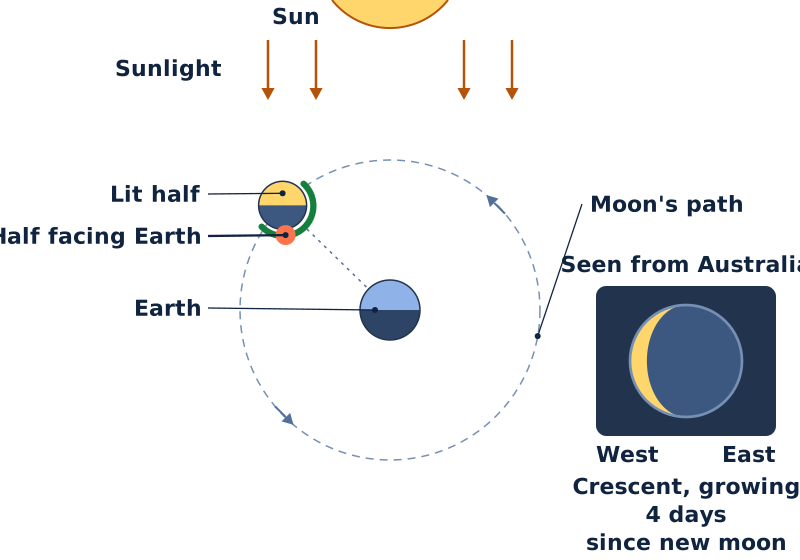
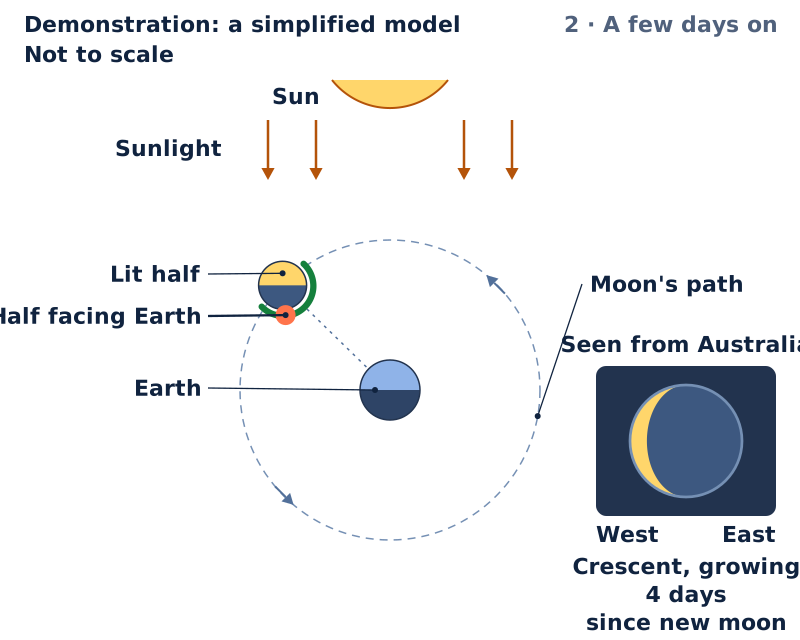
2 · A few days onSeen from Australia, the growing crescent is lit on the left.1 Lit half · 2 Half facing Earth · 3 Earth · 4 Moon's path 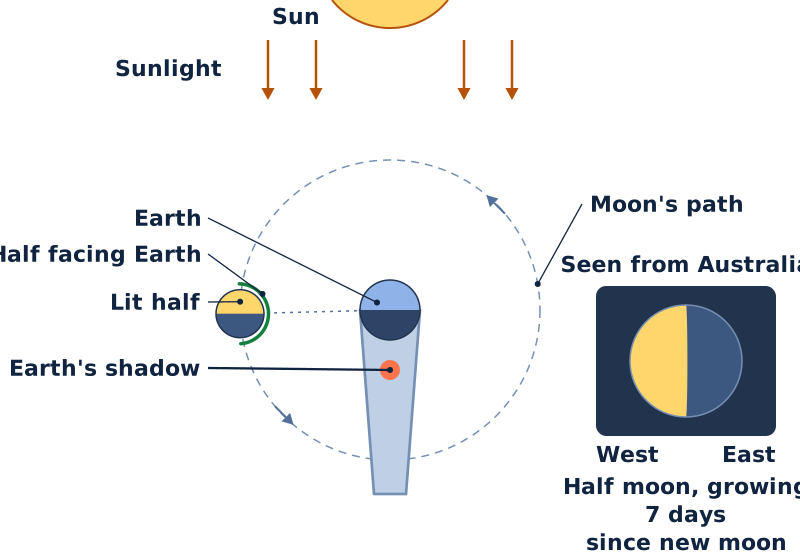
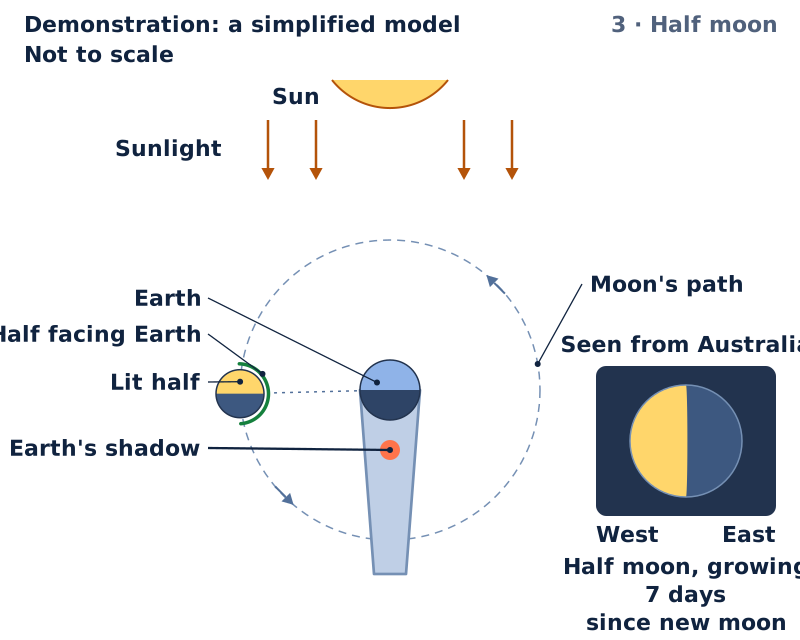
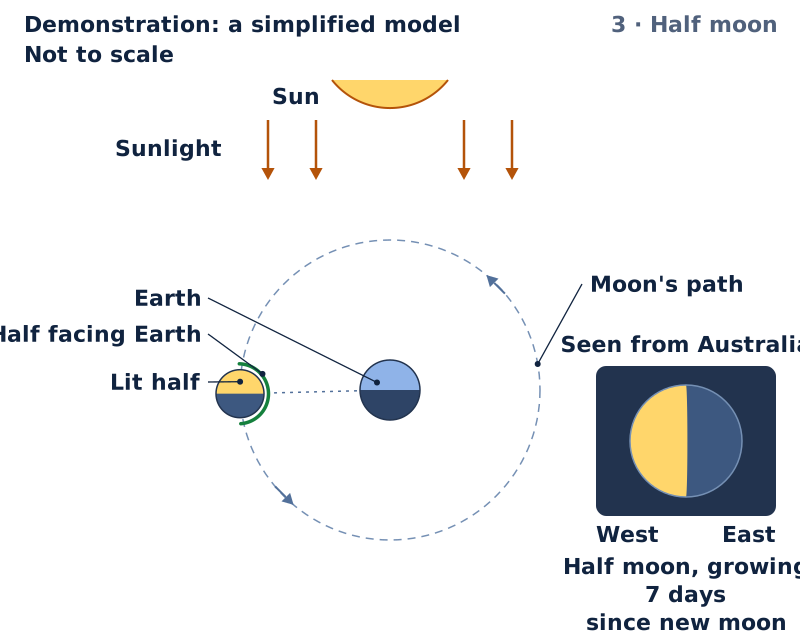
3 · Half moonHalf moon: Earth's shadow misses the Moon. The dark half is unlit.1 Lit half · 2 Half facing Earth · 3 Earth · 4 Earth's shadow · 5 Moon's path1 Lit half · 2 Half facing Earth · 3 Earth · 4 Moon's path 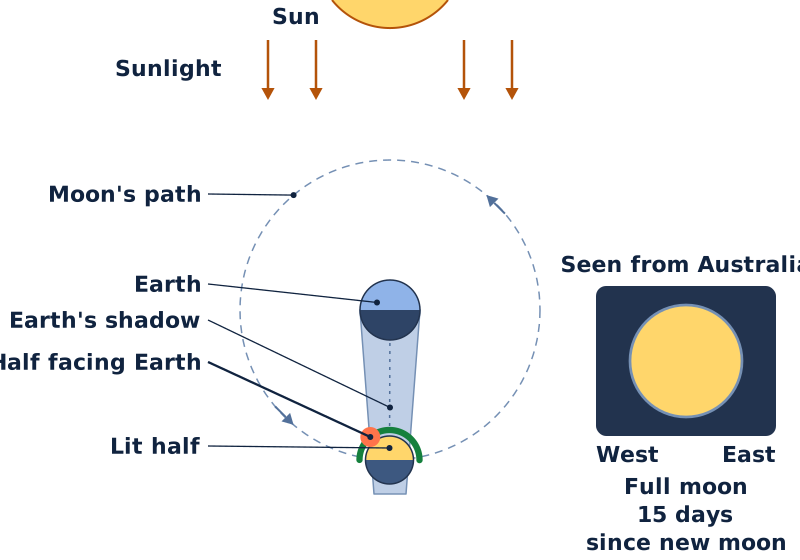
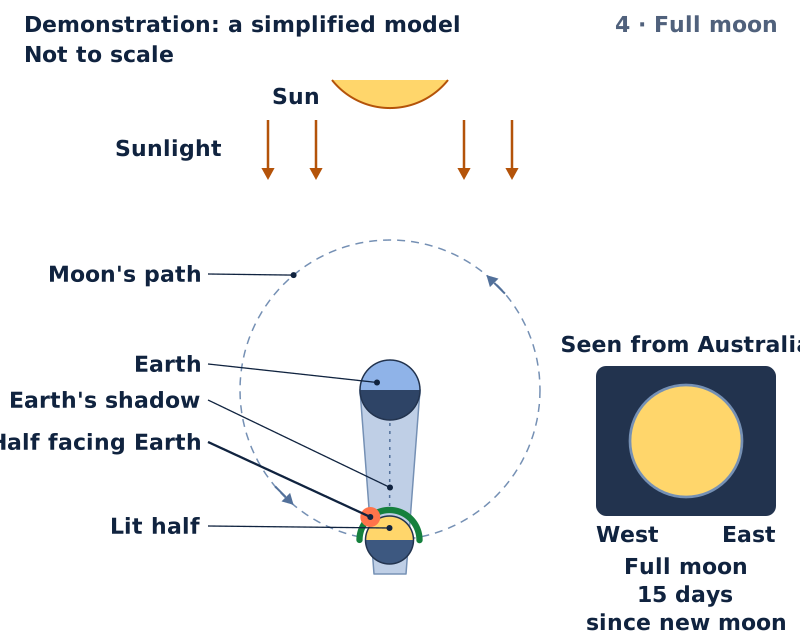
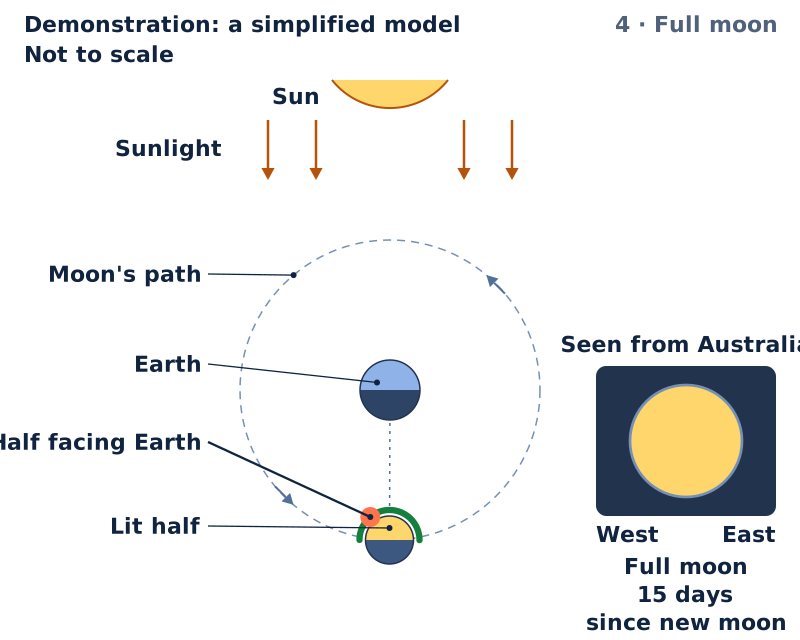
4 · Full moonFull moon: all the lit half faces us. No eclipse this month.1 Lit half · 2 Half facing Earth · 3 Earth · 4 Earth's shadow · 5 Moon's path1 Lit half · 2 Half facing Earth · 3 Earth · 4 Moon's path 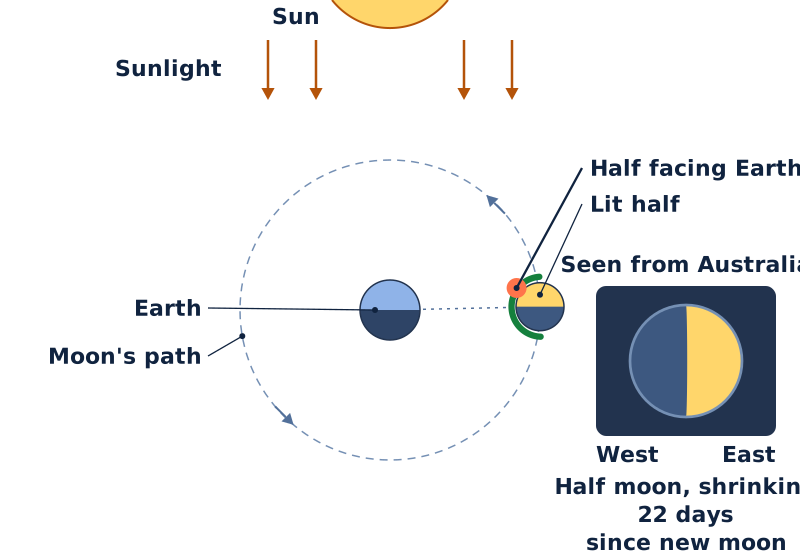
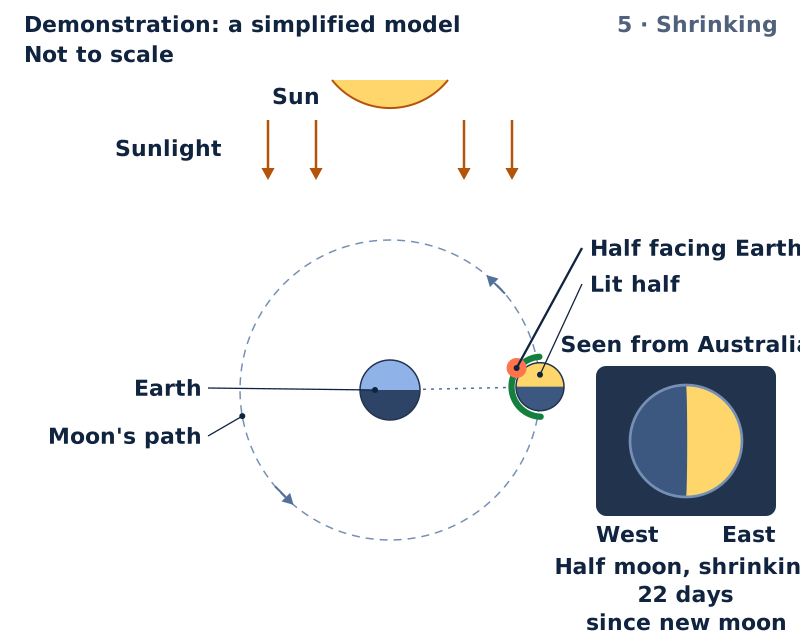
5 · ShrinkingHalf moon again, shrinking: from Australia it is lit on the right.1 Lit half · 2 Half facing Earth · 3 Earth · 4 Moon's path 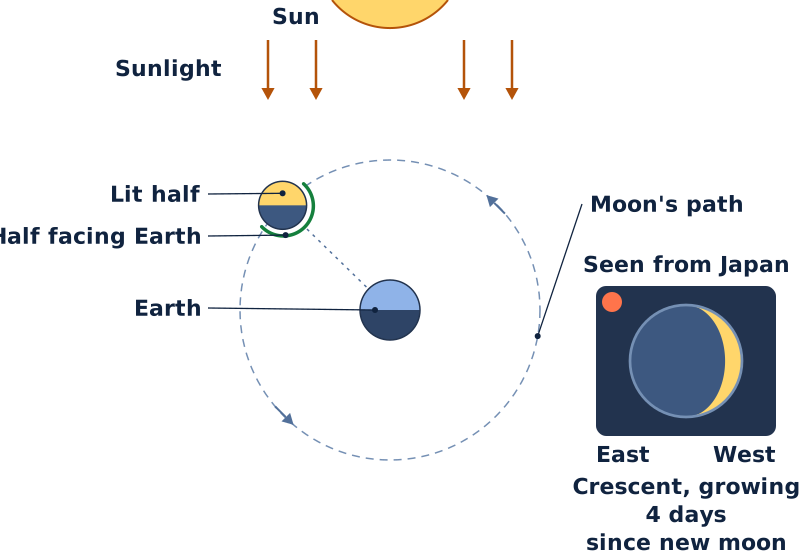
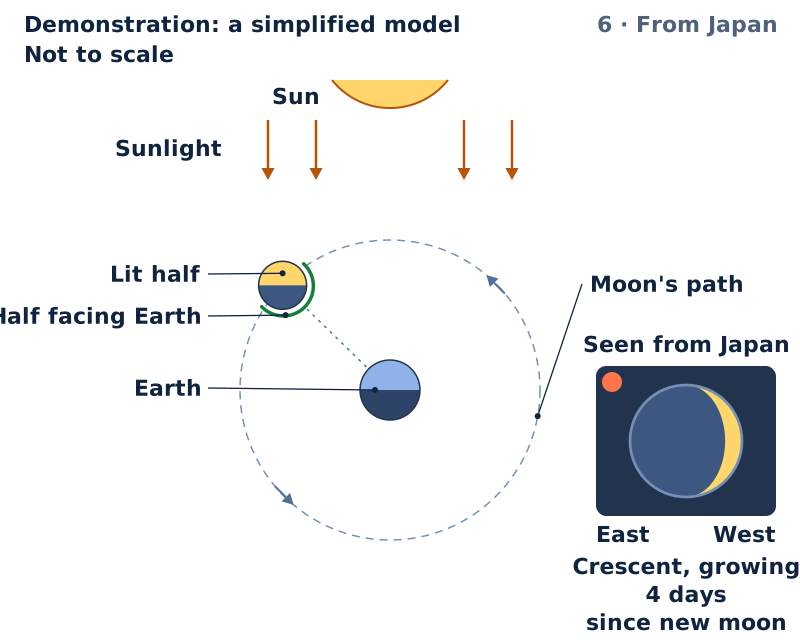
6 · From JapanThe same crescent, seen from Japan, is lit on the right.1 Lit half · 2 Half facing Earth · 3 Earth · 4 Moon's path


The main phases of one month, and the Moon now
| The Moon's shape | Days since new moon | Lit side, seen from there | In the first figure |
|---|---|---|---|
| New moon | 0 | None: the face we see is dark | Shown |
| Half moon, growing | 7 | The left side | |
| Full moon | 15 | The whole face | |
| Half moon, shrinking | 22 | The right side | |
| New moon | 30 | None: the face we see is dark |
Try it in the Lab
Practicals with real materials, each with its safety card.
- Moon phases with a ball and a lampYear 2Bench practicalLow risk
- Moon diary: recording the moon's shape for a monthYears 1–2Bench practicalLow risk
- Moon phases with a ball on a stickYear 7Bench practicalLow risk
- A month of Moon observationsYear 7Bench practicalLow risk
- Solar and lunar eclipses: shadows of a ball and a globeYear 7Bench practicalLow risk
With a learner
Three questions to ask
- Which half of the Moon does the Sun light?
- At a half moon, where is Earth's shadow?
- From Australia, which side of a growing Moon is lit, and why?
What to expect
Many learners say Earth's shadow makes the phases.
What to try next
Open a practical in Try it in the Lab, above, to make the phases with a ball and a lamp.
About this model
What is simplified
- The view from above is seen from far above Earth's North Pole, where the Moon goes around Earth anticlockwise. The Sun is far off at the top, so its light arrives as parallel arrows.
- Sizes and distances are not to scale: the Sun is far bigger and further away, and the Moon is about thirty Earth widths from Earth.
- The Moon's path is drawn as a circle on the page. The real path is a little oval and tilted a little, so on most months the full Moon passes just above or below Earth's shadow. This model never shows an eclipse.
- The Moon seen from Australia is drawn as it looks facing north when it is well above the horizon; from Japan, facing south. Near the horizon, the lit side tips towards where the Sun is.
- New moon, half moon and full moon are named within half a day of their exact moment; the days between take the crescent and gibbous names.
- The slider counts days since new moon in quarter days, to twenty-nine and a half; the next new moon is a little after that. Run shows a month in ten seconds.
- The part of the Moon's face the Sun does not light is drawn in grey so you can see where it is. In the sky it is very hard to see.
- In the level for Stages three and four, the far star's direction turns slowly in the drawing because the drawing keeps the Sun at the top while Earth moves along its path around the Sun.
Numbers and their sources
- 29.53059 days The mean time from one new moon to the next: the cycle of phases. Source: NASA Goddard Space Flight Center, Eclipse Web Site (F. Espenak), Eclipses and the Moon's Orbit, section 4.2 Synodic Month: the mean length of the synodic month is 29.53059 days, read 26 September 2026.
- 27.32166 days The time the Moon takes to go once around Earth, measured against the stars. Source: NASA Goddard Space Flight Center, Eclipse Web Site (F. Espenak), Eclipses and the Moon's Orbit, section 4.1: the lunar orbital period with respect to the stars (sidereal month) is 27.32166 days, read 26 September 2026.
Review
Demonstration: a simplified model. Checked against its written sources, 26 September 2026. Not reviewed by a qualified teacher.
Curriculum references
ST1-10ES-SST3-10ES-SST1-SCI-01SC4-OTU-01AC9S2U01AC9S7U03
Reference, not a verified alignment.