Counting in binary: each place is worth double
Years 5–8Stage 3 to Stage 4Move it
In a computer, every number is kept as a row of bits, each on or off, written as the digits one and zero. Each place is worth double the place to its right.
Demonstration: a simplified model1 · Read it
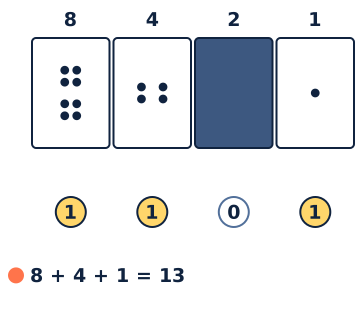
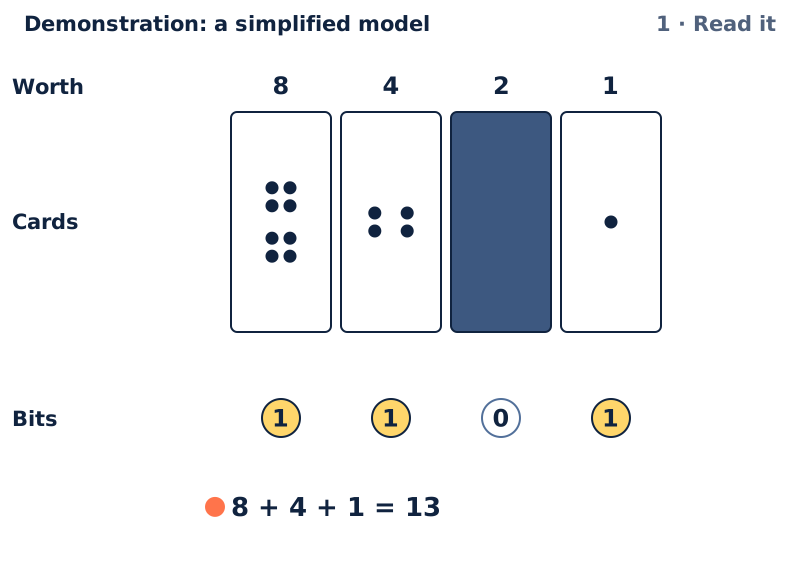
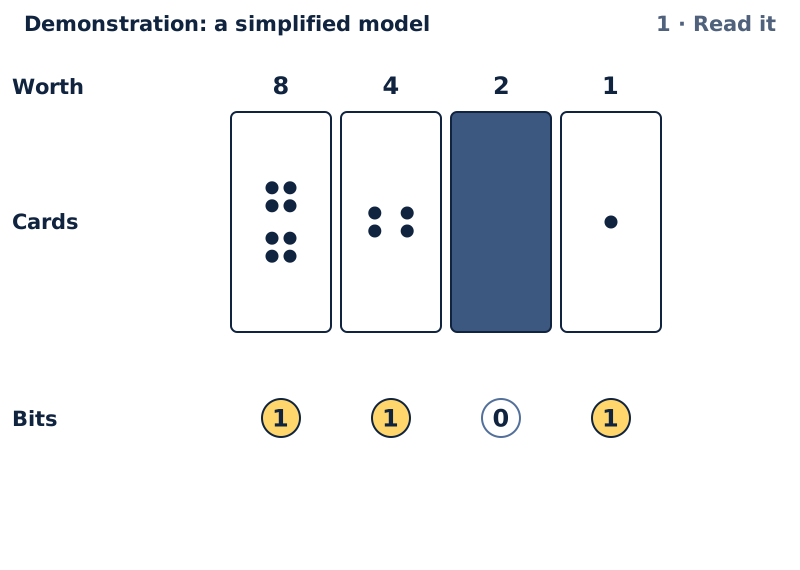
A card face up is a bit that is on; face down, off. Add the cards that are on: 13.
Key The number above each card: what the card is worth. A white card face up, showing its dots: a bit that is on. A dark card, face down: a bit that is off. Each lamp holds one bit: a lit lamp holds one, an unlit lamp zero. A small circle with a one: the carry, moving left to the next card. A dashed circle left of the cards: a carry with no card to go to, so it is lost.
The model could not start here. The figure, the steps and the table on this page still show the idea; reload the page to try again.
The idea, step by step
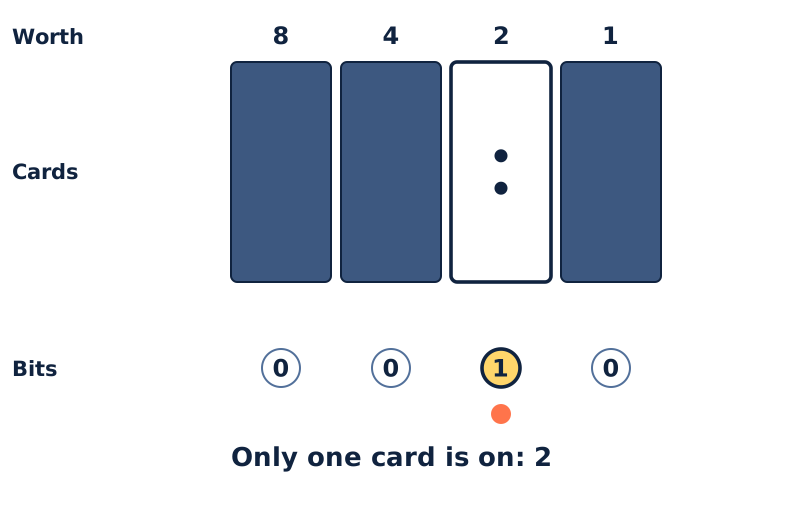
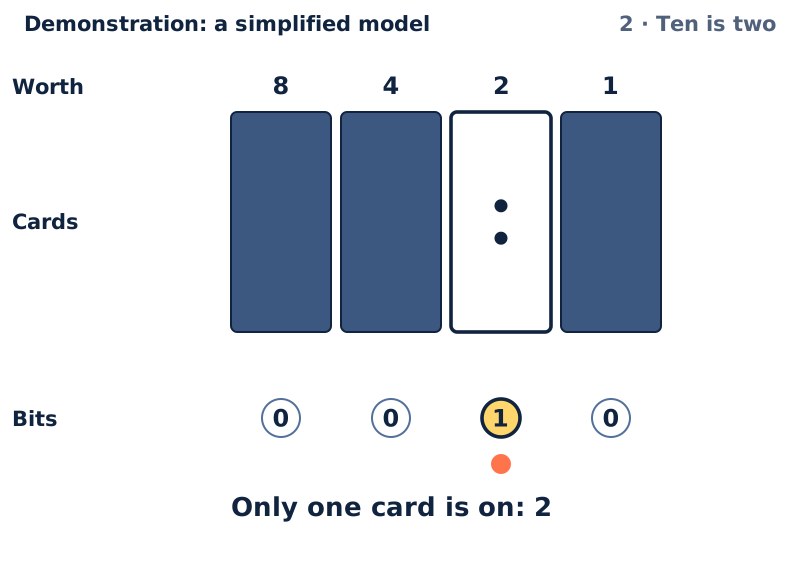
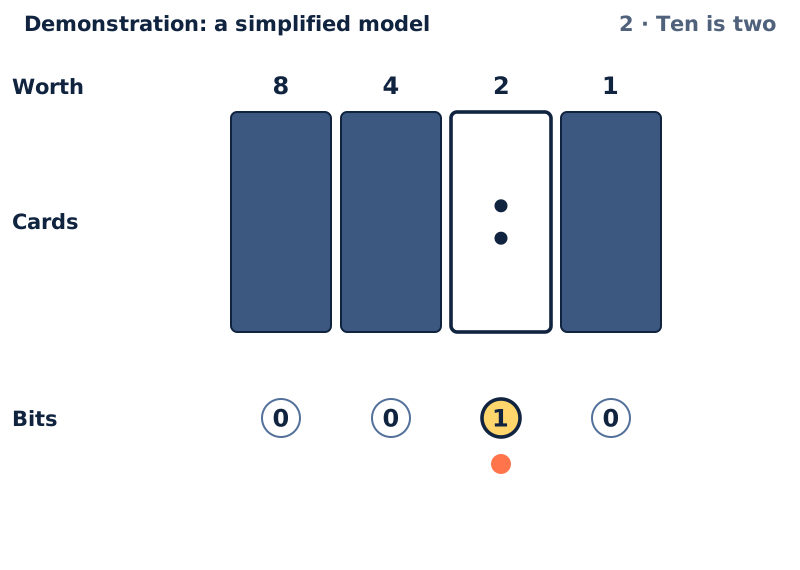
2 · Ten is twoOne and one more: the card worth one turns off and carries one to the card worth two. In binary, 10 means two. 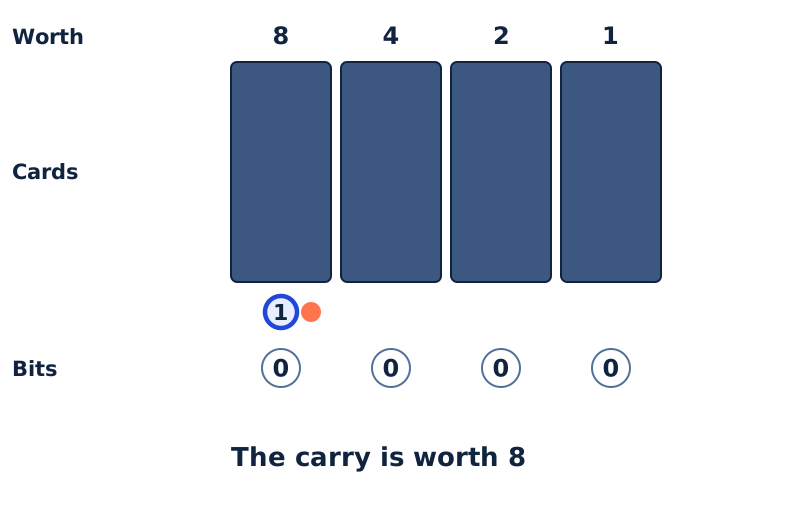
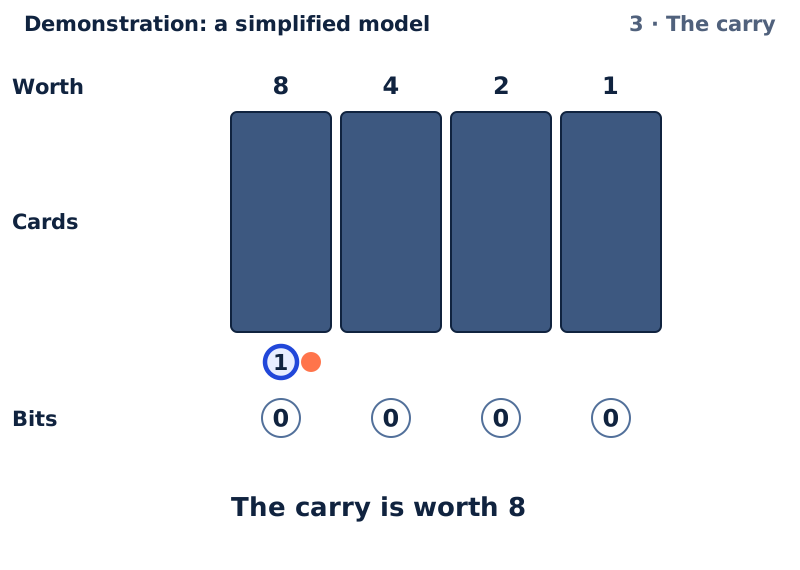
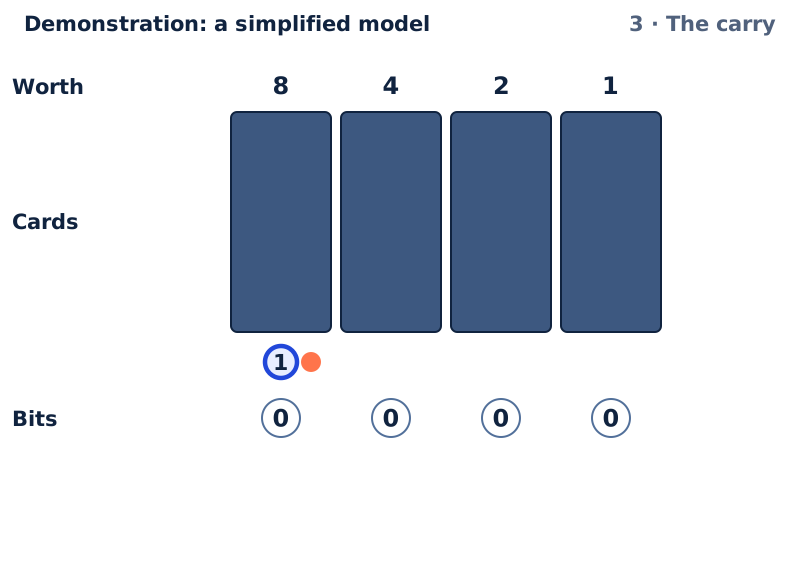
3 · The carrySeven and one more: each card that is on turns off and passes a carry left, as nine and one carries a ten. 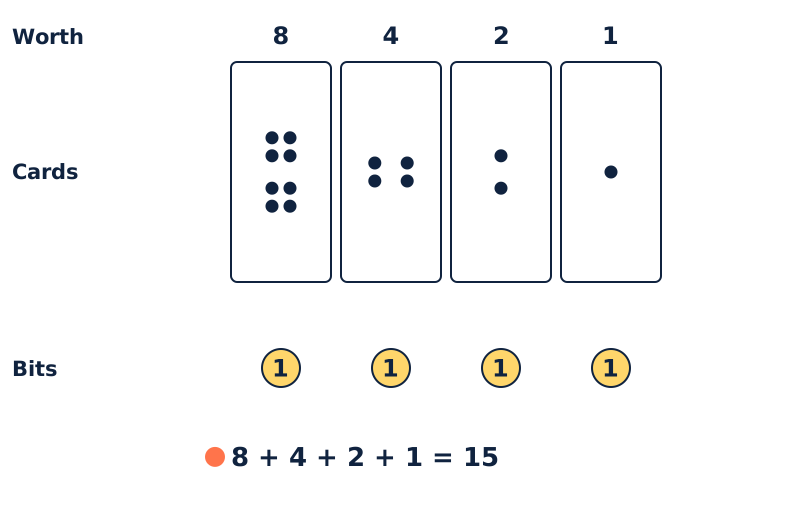
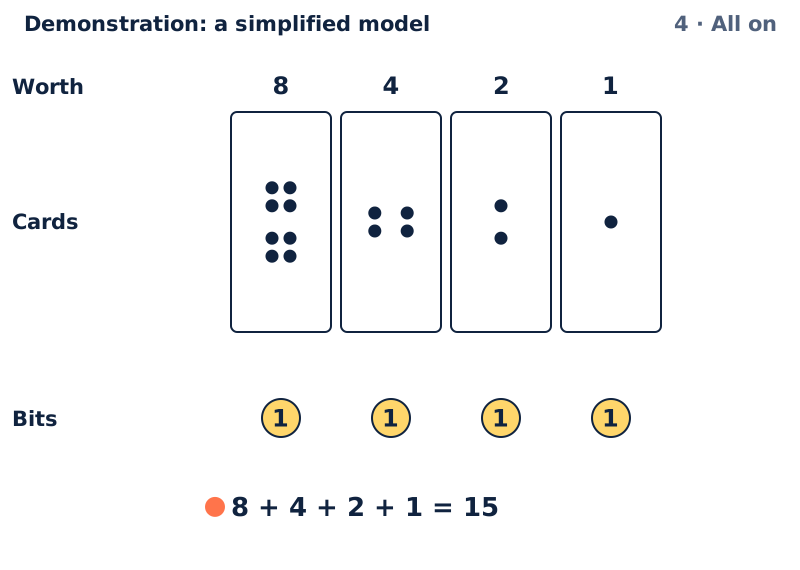
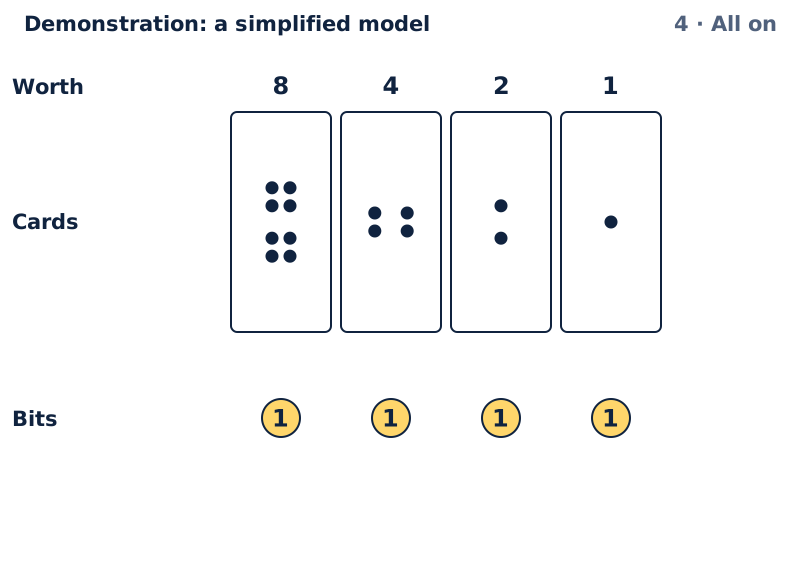
4 · All onFour cards, all on: 15, the largest number four cards can show. One more needs a fifth card. 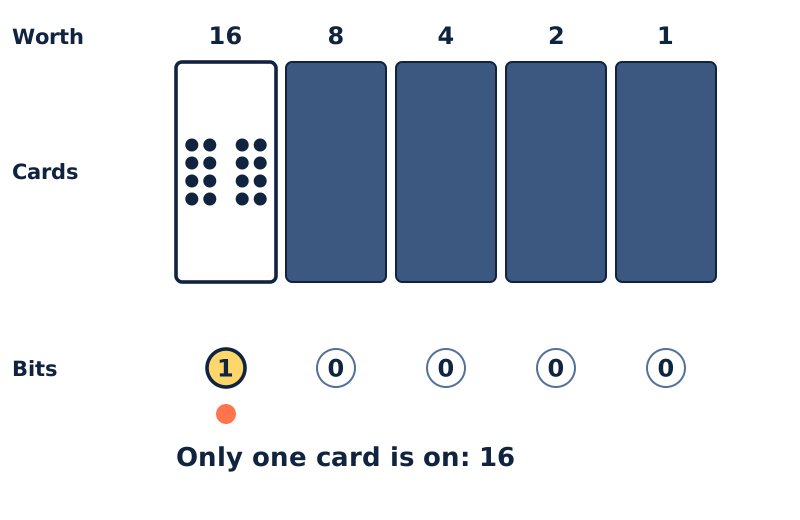
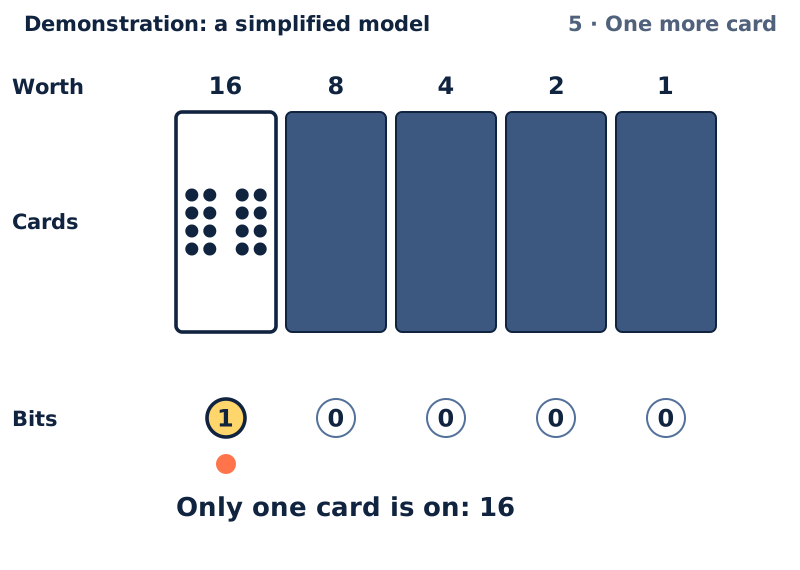
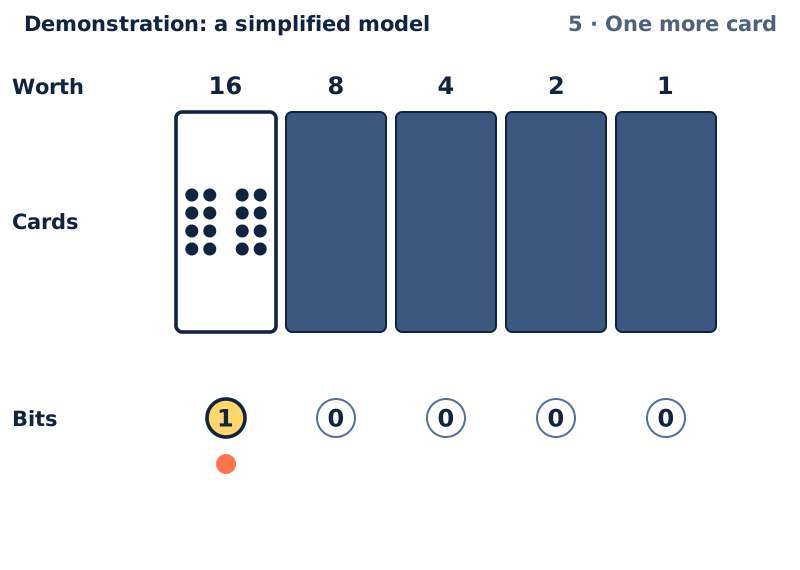
5 · One more cardA fifth card is worth 16, double its neighbour. The other cards keep their worth. Five cards show 32 numbers: zero to 31. 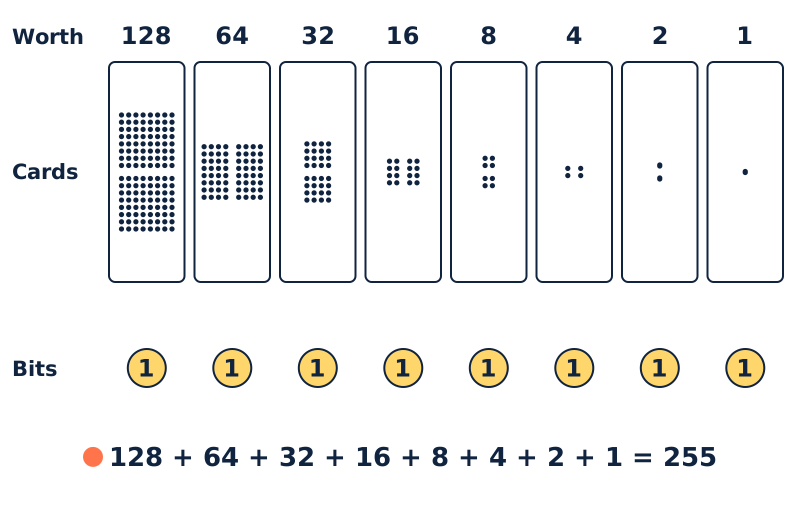
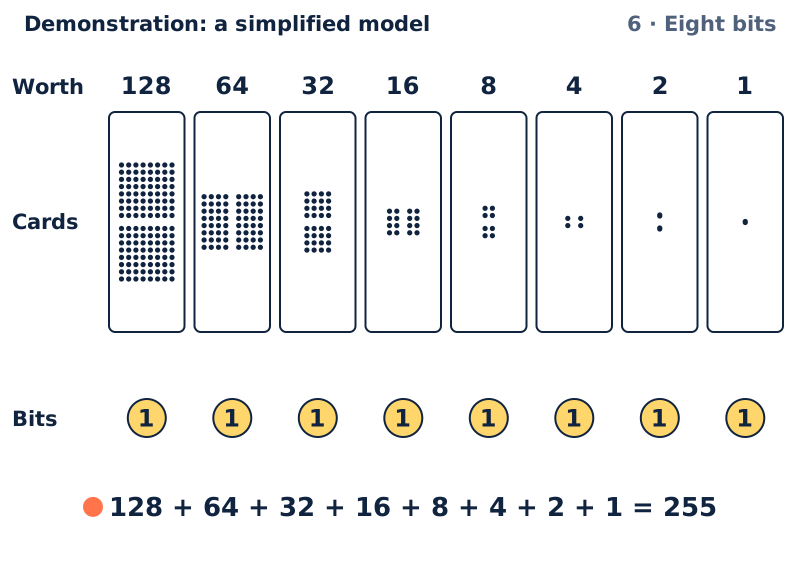
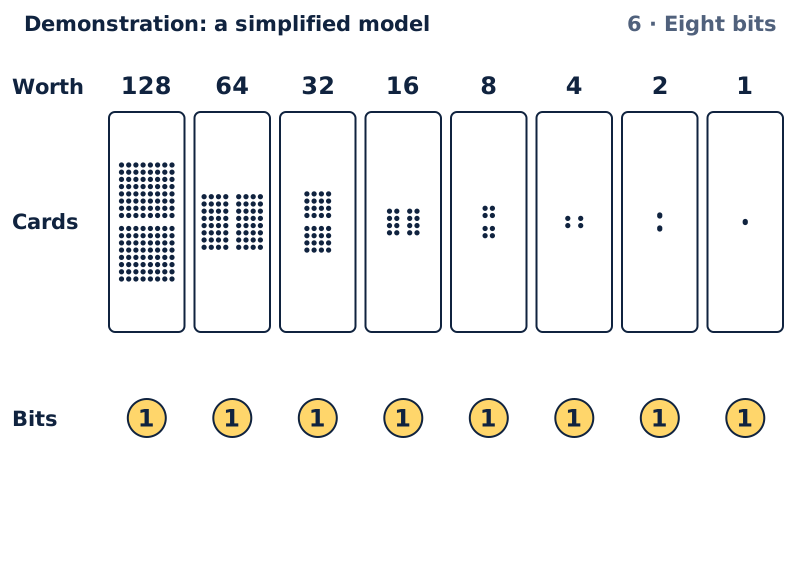
6 · Eight bitsEight cards, all on: 255. That is the largest number eight bits can show; they make 256 numbers in all, counting zero. 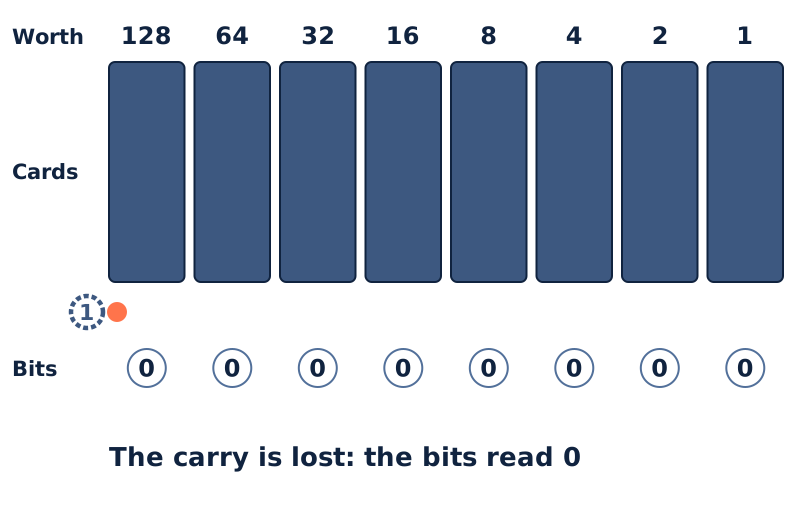
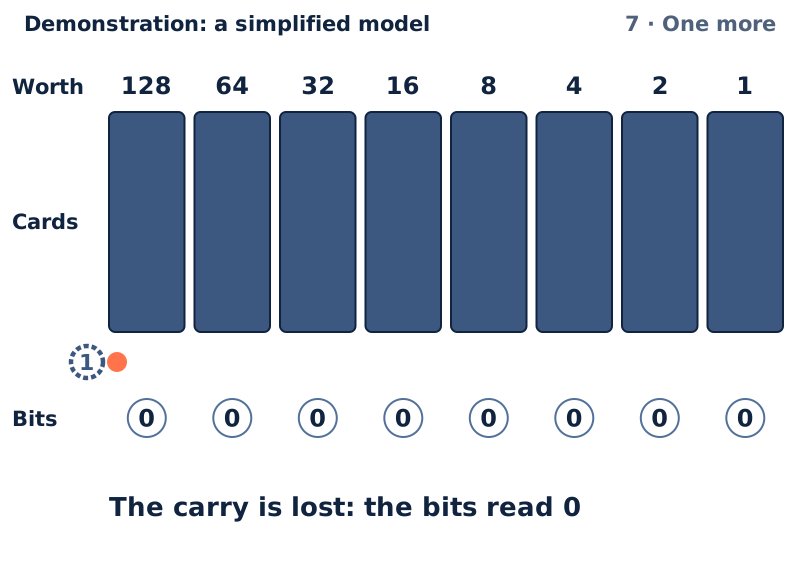
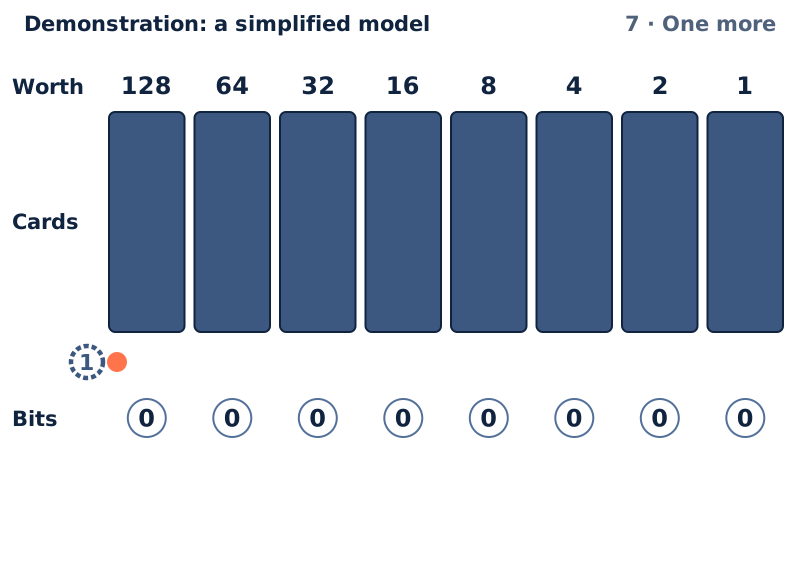
7 · One moreAdd one: every card turns off, and the carry has no card left to go to. It is lost, and the bits read 0.


Each count, and the number the cards show after it
| Count | Number | In binary | Cards flipped | Carry lost | In the first figure |
|---|---|---|---|---|---|
| Start | 13 | 1101 | Shown | ||
| Add one | 14 | 1110 | 2 | No |
Try it in the Lab
Practicals with real materials, each with its safety card.
- Binary cards: counting with on and offYears 5–6Make and testLow risk
- Eight bits: counting to 255 and overflowYears 7–8Make and testLow risk
- Text as numbers: writing secret messages in ASCIIYears 5–6Make and testLow risk
Learn it in a lesson
- Uses index notation and applies the index laws with numerical basesStage 4Find the lesson
With a learner
Three questions to ask
- Make thirteen with the number control. Which cards are face up, and what do they add to?
- Count up from seven. Which cards flip, and where does the carry go?
- How many numbers can four cards show, and how many can five?
What to expect
Many learners read one, zero as ten, or think a fifth card adds just one more number. Let the model count, then ask again.
What to try next
In Try it in the Lab, above, make numbers with paper binary cards, then add past two hundred and fifty-five with eight cards.
About this model
What is simplified
- A lamp stands for a bit. A real computer keeps each bit in a small electronic part that is in one of two states, not in a light.
- The dots on a card are a counting aid, as on paper binary cards. What a bit is worth comes from its place, not from dots.
- The carry moves one card at a time so you can watch it. A computer adds far faster, and no time is shown here.
- The model counts whole numbers from zero, with one to eight bits. Computers also hold negative numbers, fractions and much larger numbers, using more bits and other rules.
- When a count passes the largest number the bits can hold, the model keeps the bits and loses the carry, as whole-number arithmetic without a sign does in the C programming language. Some languages stop with an error instead.
Review
Demonstration: a simplified model. Checked against its written sources, 26 September 2026. Not reviewed by a qualified teacher.
Curriculum references
ST3-11DI-TMA4-IND-C-01AC9TDI6K03AC9TDI6K04AC9TDI8K04
Reference, not a verified alignment.