Ten ones make one ten
Years 1–4Stage 1 to Stage 2Move it
Ten ones make one ten, and ten tens make one hundred. A digit's place tells what it is worth.
Demonstration: a simplified model1 · Read it
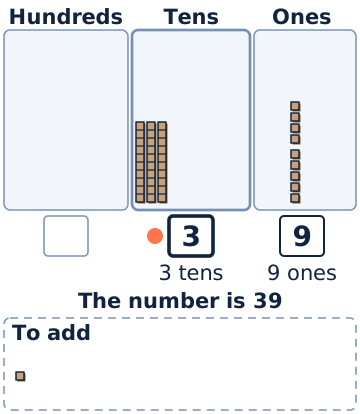
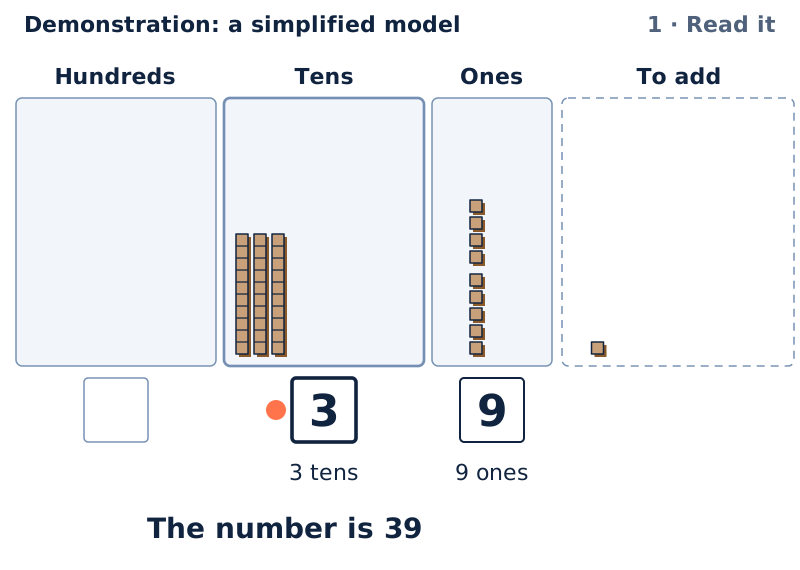
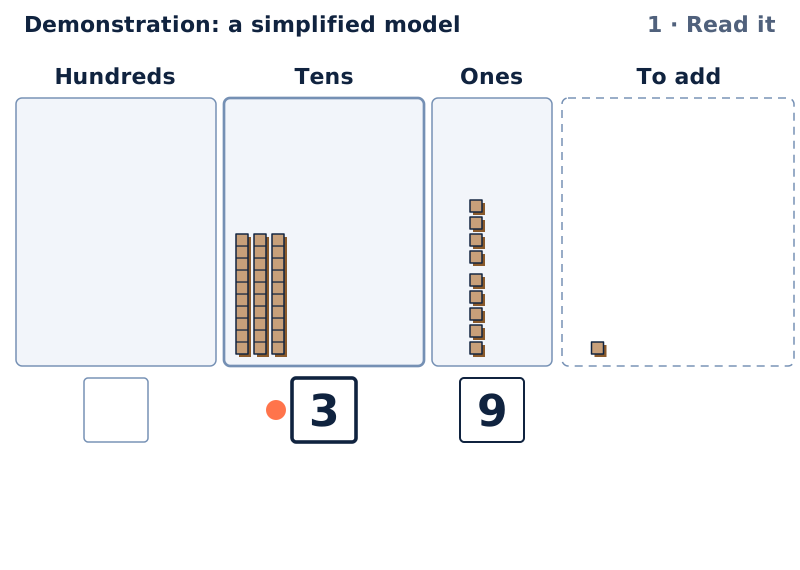
39 is 3 tens and 9 ones.
Key A cube is one. A rod is ten ones. A flat is ten tens. A dashed card: too many for one digit. A thin outline: a space in the tray for a piece to take away.
The model could not start here. The figure, the steps and the table on this page still show the idea; reload the page to try again.
The idea, step by step
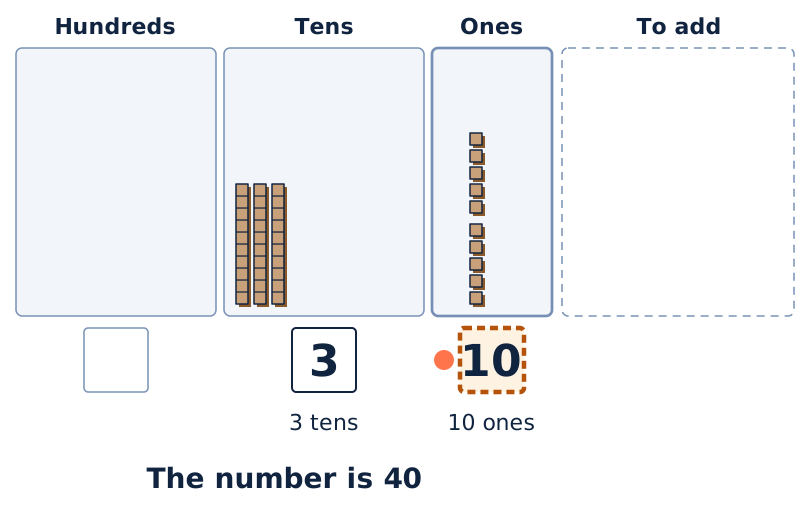
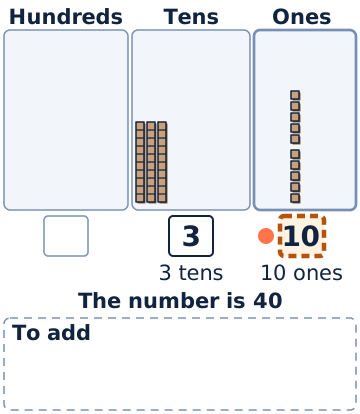
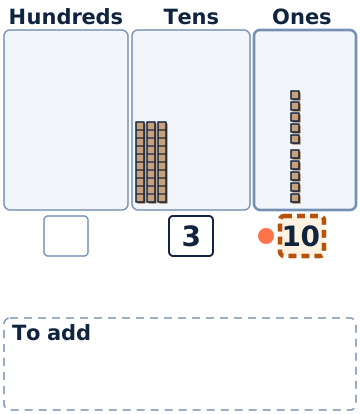
2 · One moreAdd one more: now ten ones, too many for one digit. 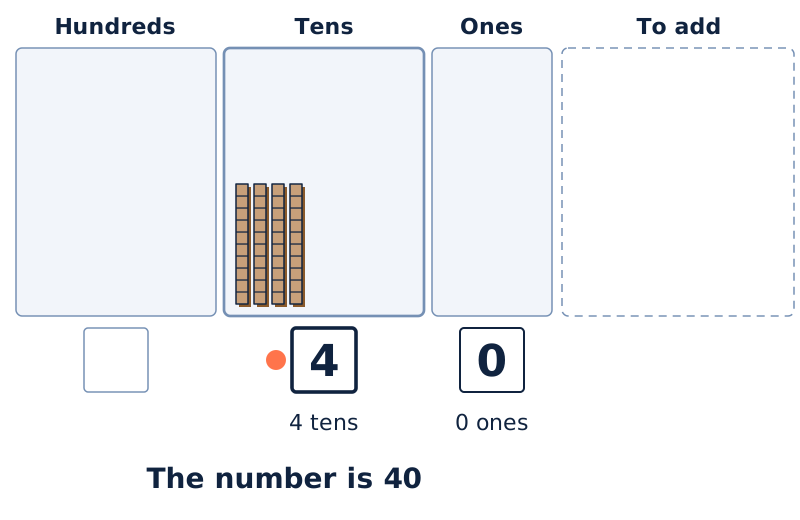
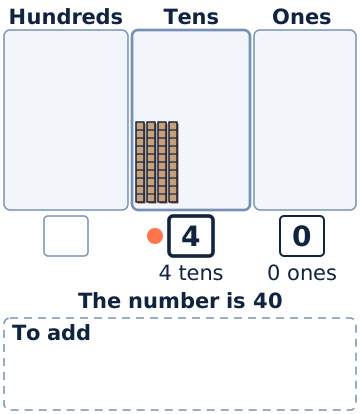
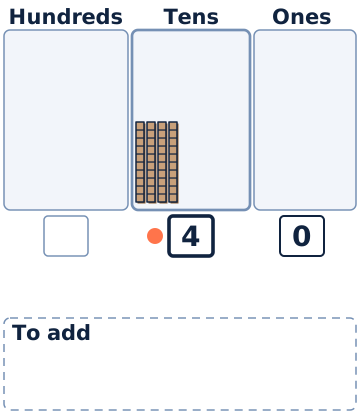
3 · BundleBundle the ten ones into one ten. Now it reads 40. 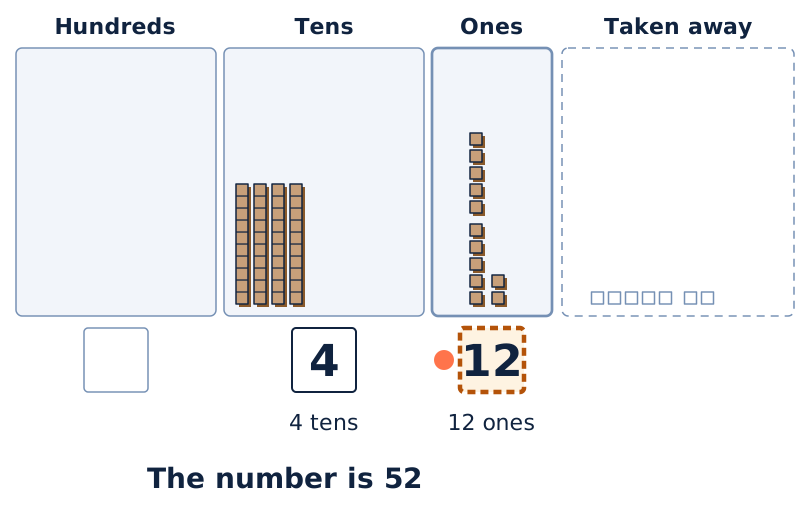
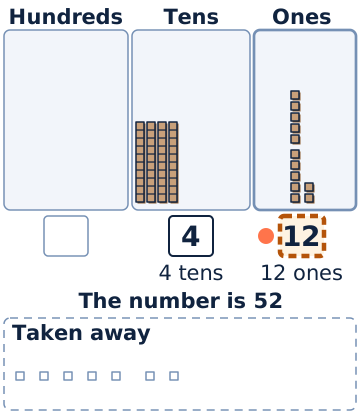
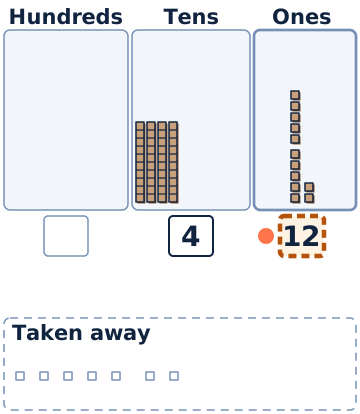
4 · UnbundleToo few ones to take 7, so unbundle a ten: still 52. 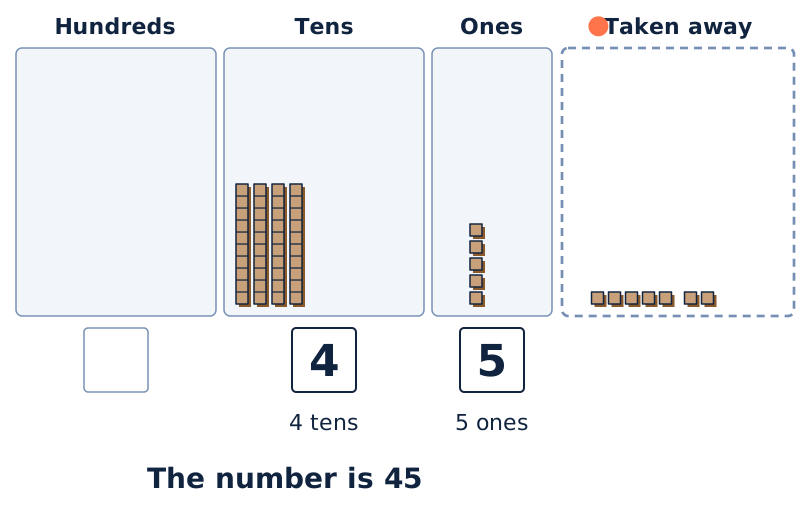
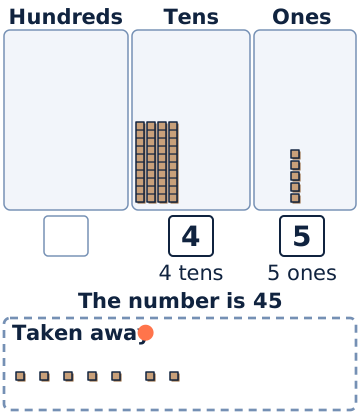
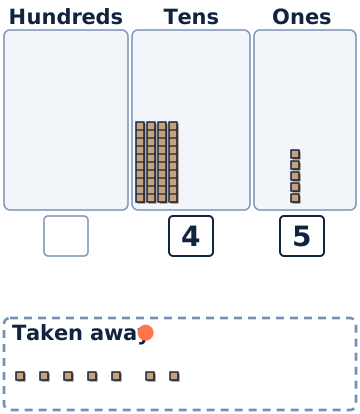
5 · Take away7 ones go to the tray. 45 is left. 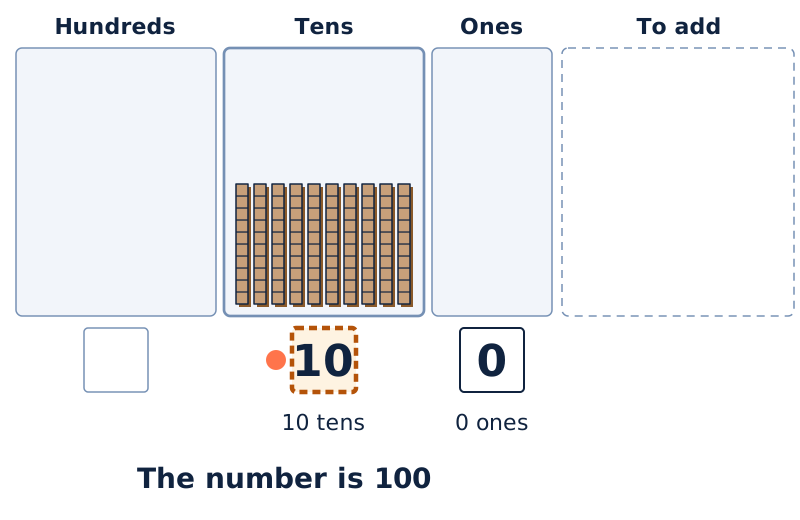
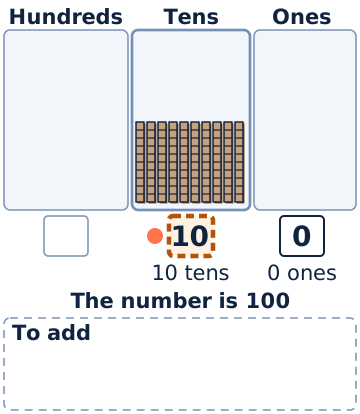
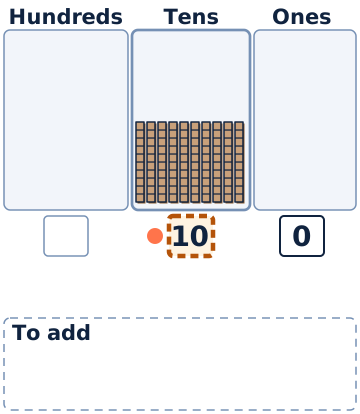
6 · Ten tensAdd one to 99: now there are ten tens. 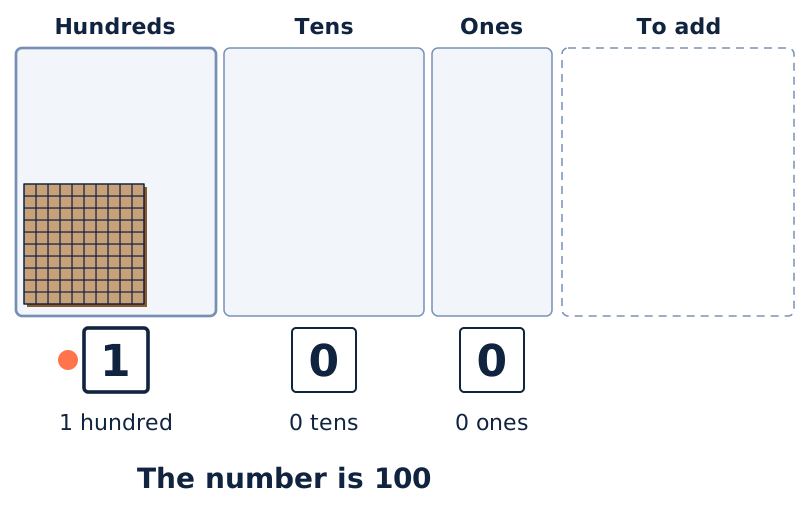
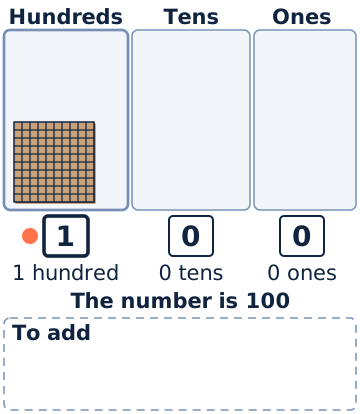
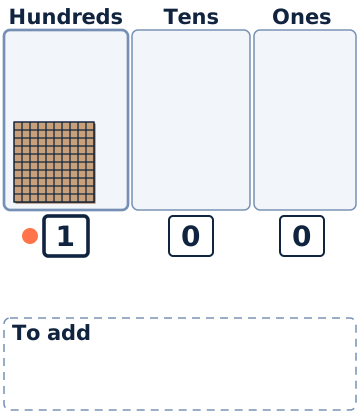
7 · One hundredTen tens make one hundred. Zeros hold the empty places.
Each move, and what the mat holds after it
| Move | Hundreds | Tens | Ones | Number | In the first figure |
|---|---|---|---|---|---|
| Start | 0 | 3 | 9 | 39 | Shown |
| Add a one | 0 | 3 | 10 | 40 | |
| Bundle ten ones | 0 | 4 | 0 | 40 |
Try it in the Lab
Practicals with real materials, each with its safety card.
- Bundling sticks: tens and ones to 120 and beyondYears 1–2Hands-on mathematicsLow risk
- Renaming with base-10 materials: numbers to tens of thousandsYears 3–4Hands-on mathematicsLow risk
- Trading with base-ten materials: regrouping to add and subtractYears 3–4Hands-on mathematicsLow risk
Learn it in a lesson
- Represents two-digit numbers as tens and onesStage 1Find the lesson
- Counts to 100 by ones and tensStage 1Find the lesson
- Reads, writes and orders numbers to 1000Stage 1Find the lesson
- Adds two-digit numbers with and without regroupingStage 1Find the lesson
- Subtracts two-digit numbers with and without regroupingStage 1Find the lesson
With a learner
Three questions to ask
- Make thirty-nine with the pieces. How many tens, and how many ones?
- Add one more. What happens when there are ten ones?
- How can you take seven from fifty-two when there are only two ones?
What to expect
Many learners say thirty-ten, or take two away from seven. Let the model bundle and unbundle, then ask again.
What to try next
Try it in the Lab: bundle real sticks with rubber bands, or trade base-ten pieces on a mat.
About this model
What is simplified
- The pieces are drawn from above as flat shapes with a small shadow on one side. Real base-ten pieces are solid: a one is a small cube, a ten is a rod of ten cubes and a hundred is a flat of ten rods.
- The pieces are to scale with each other, so a rod is ten cubes long and a flat is ten rods wide, but not to any real size.
- The flats lie in an offset pile so that nine fit in one place.
- Pieces move one at a time at a steady pace so you can watch each bundle and unbundle. No time is shown, and none is taught.
- To take away, the model unbundles first when a place has too few pieces, the way the written method does. To add, it bundles as soon as a place holds ten. Other orders are correct too.
- The mat has three places, so it shows numbers up to nine hundred and ninety-nine. Adding past that, or taking away more than the mat holds, moves only what can move, and the rest stays in the tray.
Review
Demonstration: a simplified model. Checked against its written sources, 26 September 2026. Not reviewed by a qualified teacher.
Curriculum references
MA1-RWN-01MA1-RWN-02MA2-AR-01AC9M1N01AC9M1N02AC9M2N01AC9M2N02AC9M3N03
Reference, not a verified alignment.