The two hands of a clock move together
Years 1–4Stage 1 to Stage 2Move it
A clock's two hands are joined, so they turn together. Find out how far each hand goes in one hour.
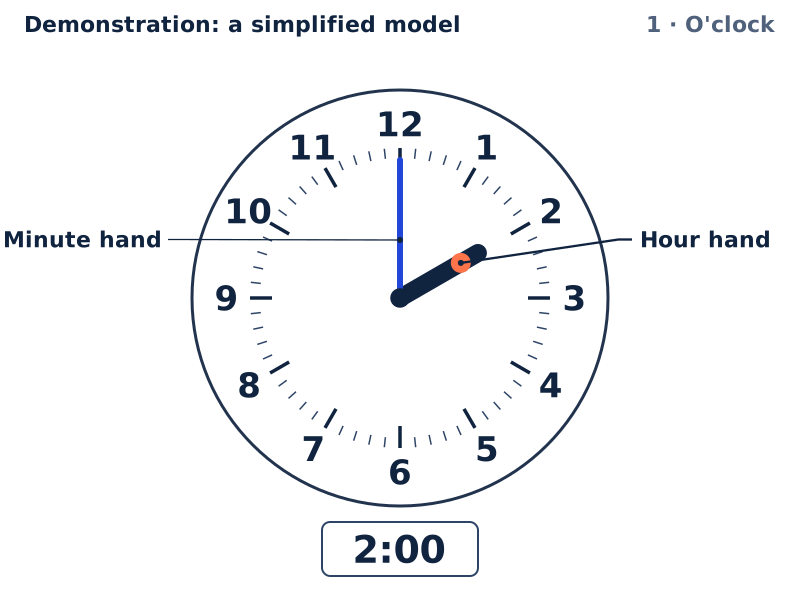
Demonstration: a simplified model1 · O'clock
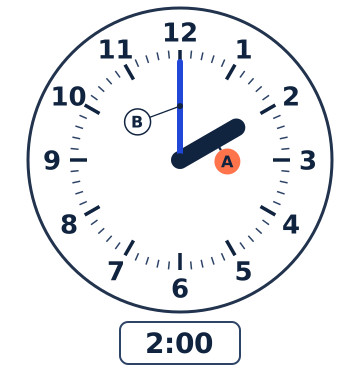
Minute hand on 12, hour hand on 2: 2 o'clock.
- Hour hand
- Minute hand
Key Short and thick: the hour hand. Long, thin and blue: the minute hand. Shaded: the minutes past the hour (none at o'clock). The hour hand's curve: solid for how far it has gone, dashed for the rest of its way to the next number. Dashed hands: the hands when the run began and at each quarter hour.
The model could not start here. The figure, the steps and the table on this page still show the idea; reload the page to try again.
The idea, step by step
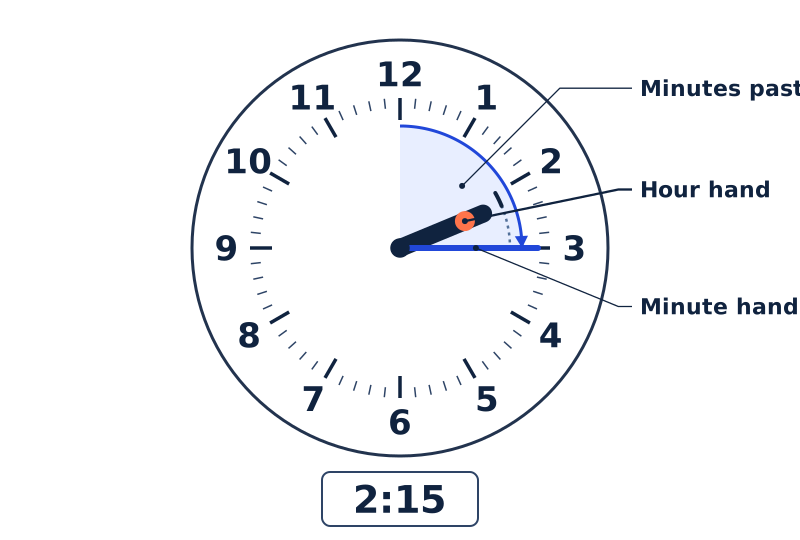
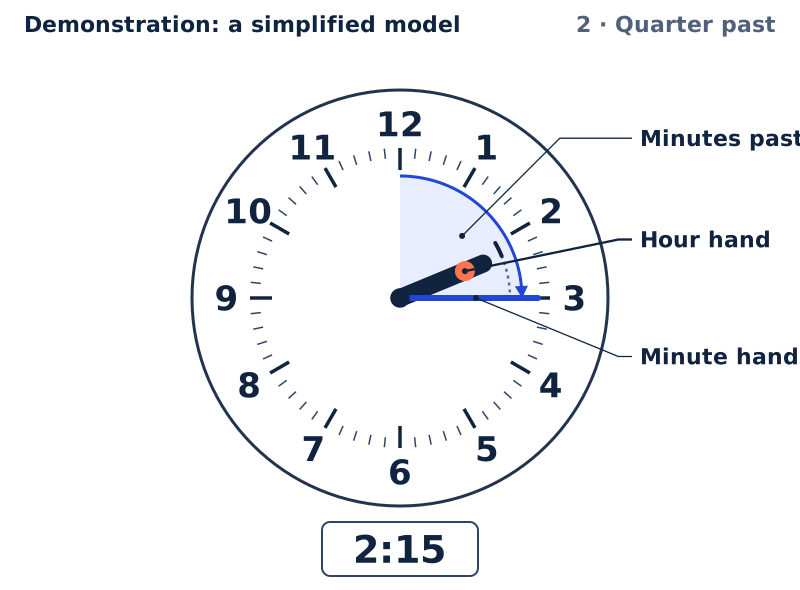
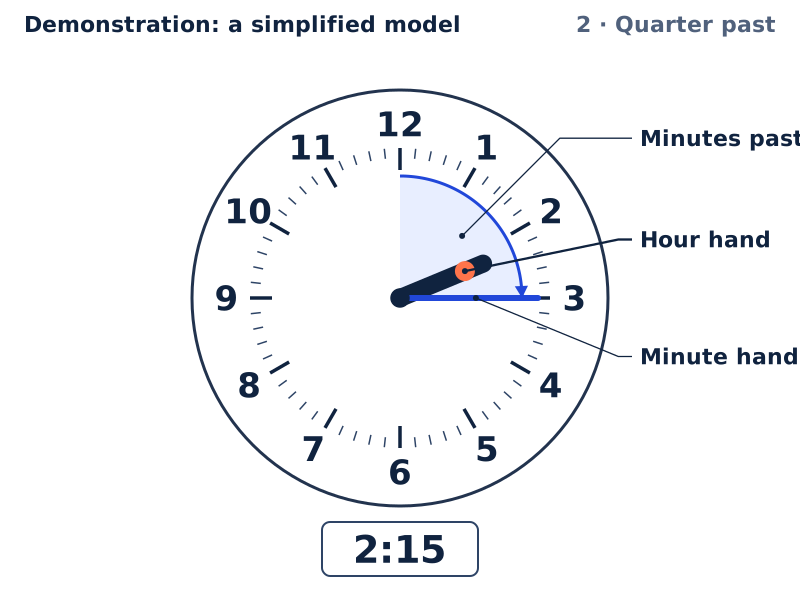
2 · Quarter pastHour hand: a quarter of the way to 3.A Hour hand · B Minute hand · C Minutes past 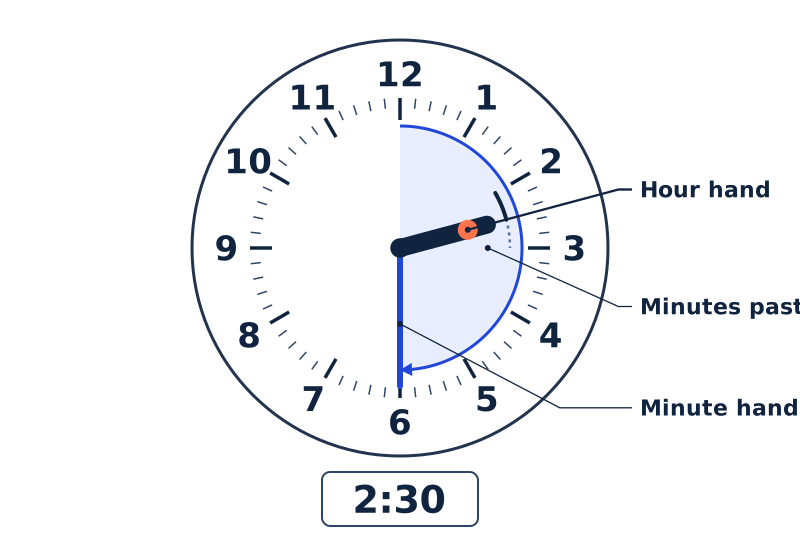
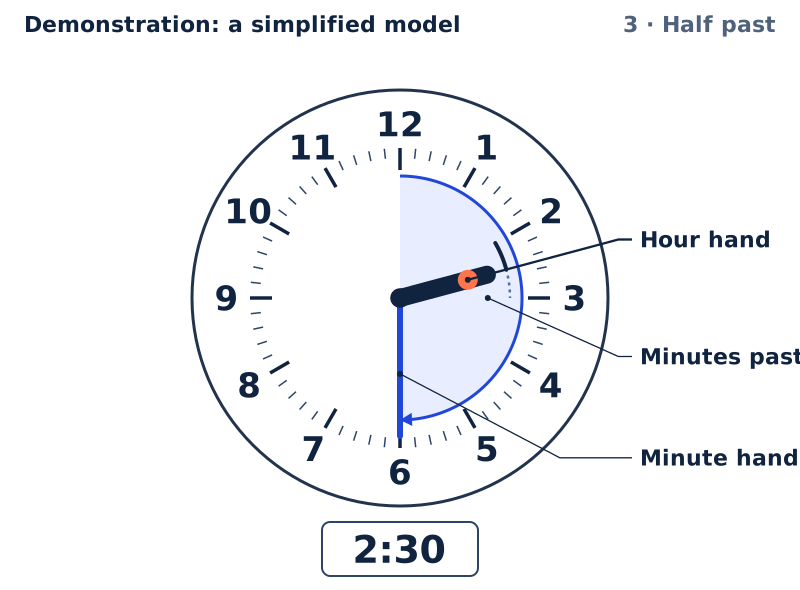
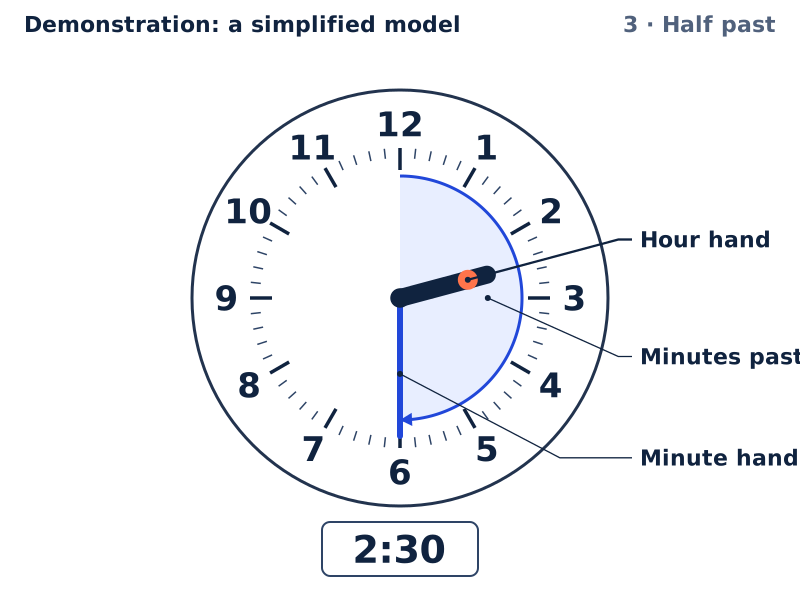
3 · Half pastHalf past 2. Hour hand: halfway from 2 to 3.A Hour hand · B Minute hand · C Minutes past 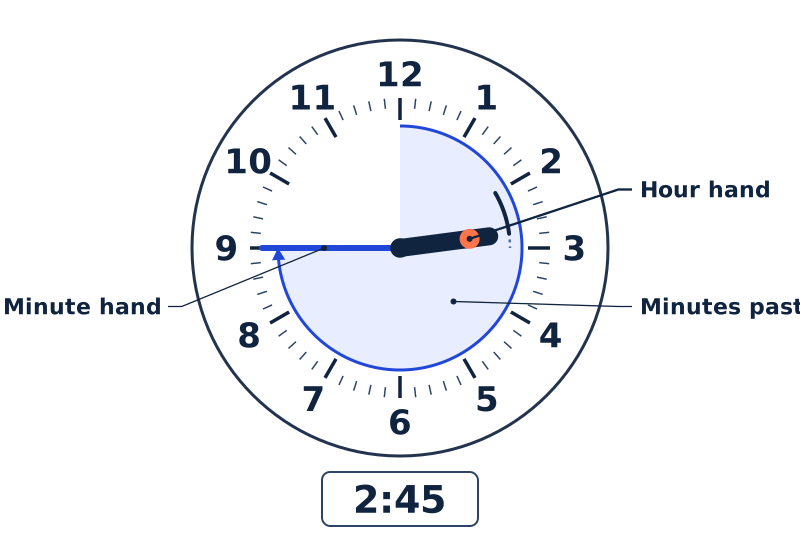
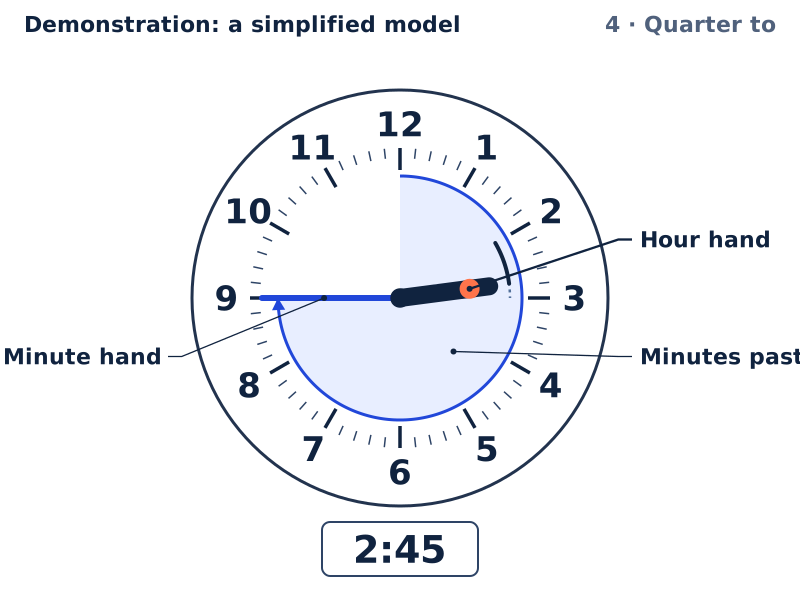
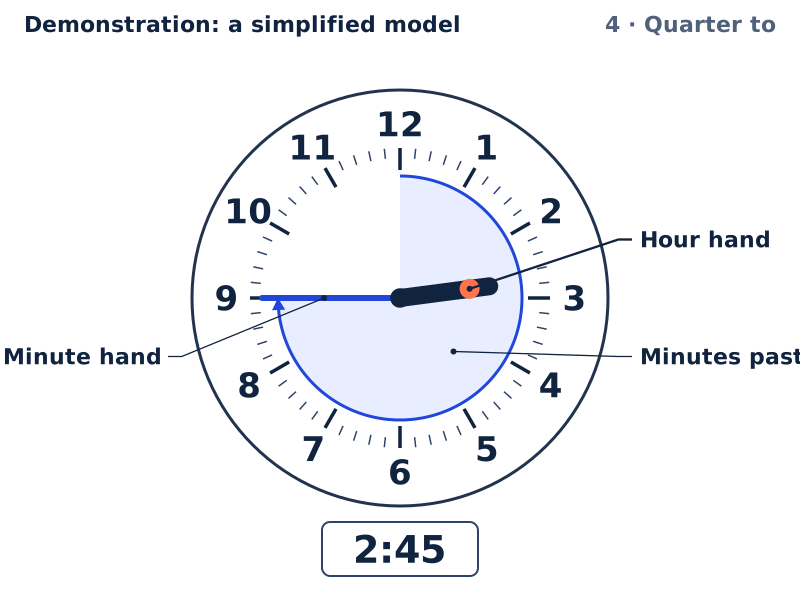
4 · Quarter toQuarter to 3. The hour hand is not yet on 3.A Hour hand · B Minute hand · C Minutes past 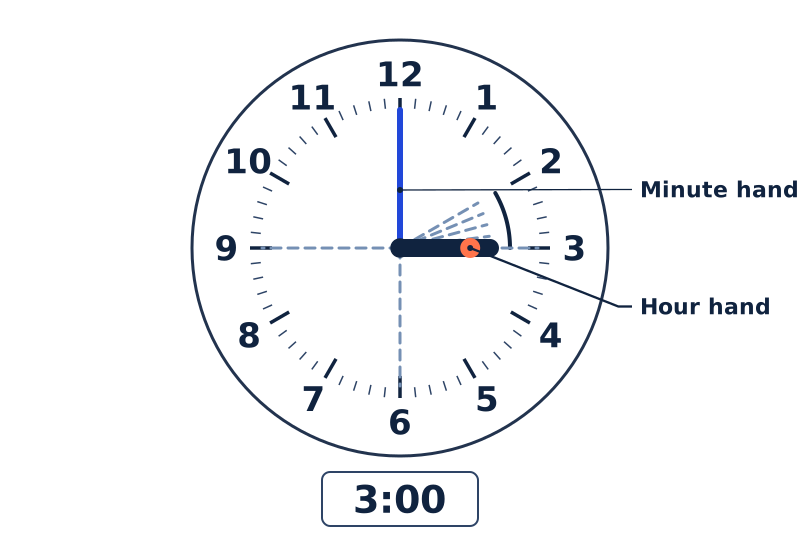
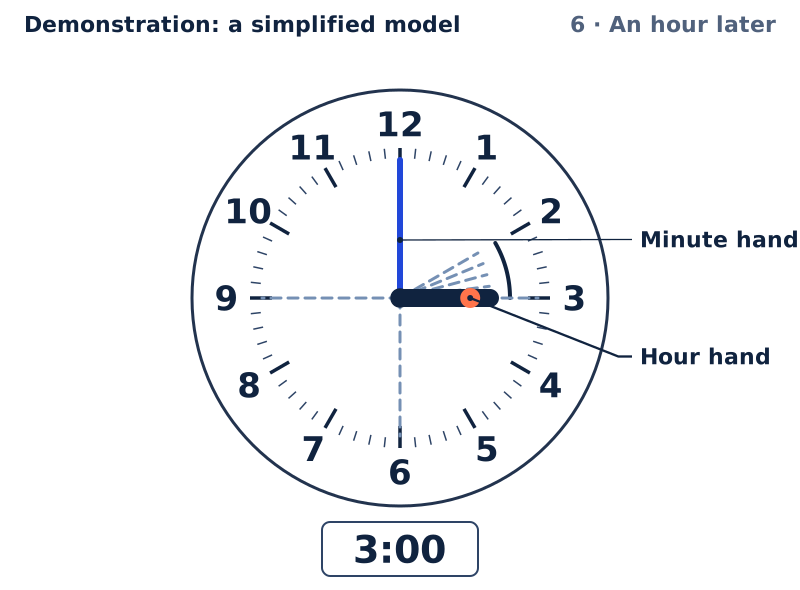
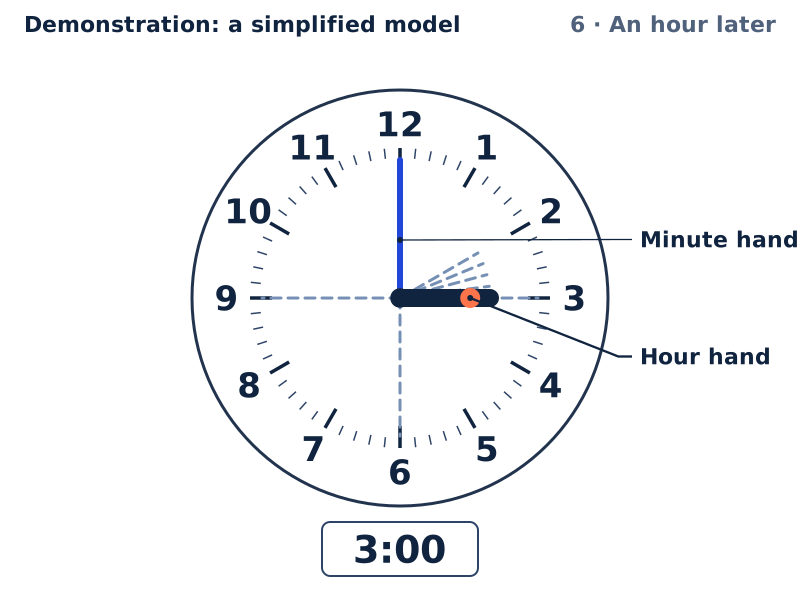
6 · An hour laterOne hour on: minute hand once round, hour hand 2 to 3.A Hour hand · B Minute hand


The quarter hours of this hour, and where the hands point
| Time | Minute hand points to | Hour hand | In the first figure |
|---|---|---|---|
| Two o'clock | 12 | On the hour number | Shown |
| Quarter past two | 3 | A quarter of the way to the next number | |
| Half past two | 6 | Halfway to the next number | |
| Quarter to three | 9 | Three quarters of the way to the next number | |
| Three o'clock | 12 | On the hour number |
Try it in the Lab
Practicals with real materials, each with its safety card.
- Half past and quarter past on a geared clockYears 1–2Hands-on mathematicsLow risk
- Reading time to the minute and timing what happens betweenYears 3–4Hands-on mathematicsLow risk
- Our day in order: sequencing events and o'clock timesKindergartenHands-on mathematicsLow risk
- Quarter, half and full turns with bodies and clock handsYears 1–2Hands-on mathematicsLow risk
Learn it in a lesson
- Tells time to the hour and half-hour on analog clocksStage 1Find the lesson
- Tells time to the minute and converts between hours and minutesStage 2Find the lesson
With a learner
Three questions to ask
- Which hand shows the hours, and which shows the minutes?
- At half past two, where is the hour hand?
- Press Run one hour. How far did each hand go?
What to expect
Many learners put the hour hand straight on the two at half past two.
What to try next
Open a practical in Try it in the Lab, above, to turn the hands of a real geared clock.
About this model
What is simplified
- The face shows twelve hours, so it cannot tell morning from afternoon. The digital time is twelve-hour time.
- There is no second hand. The hands move smoothly, as they do on a geared clock.
- Run one hour is sped up: a quarter of an hour passes each second.
- Dragging the minute hand past the top moves the hour hand on or back one number, as setting a real geared clock does.
- The numbers sit outside the ring of minute marks, so no hand ever covers a number.
Numbers and their sources
- 60 min The minute hand goes once round the face in one hour. Source: BIPM, The International System of Units (SI Brochure), 9th edition 2019, version 4.01 (June 2026), Table 8 (non-SI units), p. 140: 1 h = 60 min = 3600 s, read 26 September 2026.
- 12 h The hour hand goes once round the face in twelve hours, so the face carries twelve numbers, five minutes apart for the minute hand. Source: NSW Mathematics K-10 Syllabus (2022), Stage 1, Time: Tell time to the quarter-hour using the language of 'past' and 'to': associate the numerals 3, 6 and 9 with 15, 30 and 45 minutes (the standard twelve-hour analogue dial), read 26 September 2026.
Review
Demonstration: a simplified model. Checked against its written sources, 26 September 2026. Not reviewed by a qualified teacher.
Curriculum references
MA1-NSM-02MA2-NSM-02MAO-WM-01AC9M2M04AC9M3M03AC9M3M04
Reference, not a verified alignment.